Braille Drawing: Octopus
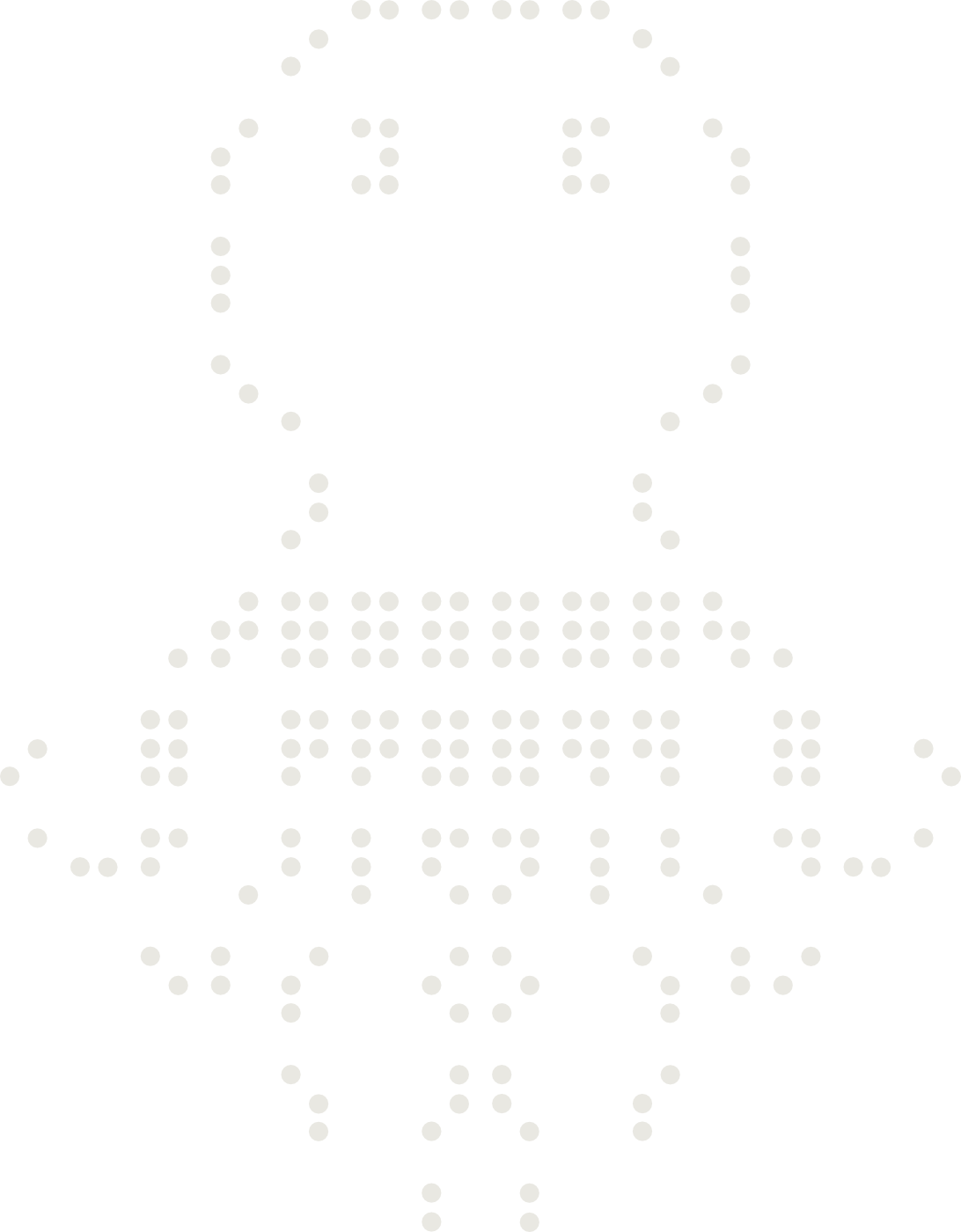
Size: 11 rows, 14 cells
By: Julia Dobroschke (2023)
Here we go!
Row 1:
space 4 times, IN, c 4 times, EN
Row 2:
space 3 times, s, space, y, space 2 times, AND, space, WH
Row 3:
space 3 times, l, space 6 times, dots 456
Row 4:
space 3 times, e, apostrophe, space 4 times, capital sign, i
Row 5:
space 4 times, AR, space 4 times, GH
Row 6:
space 2 times, capital sign, t, FOR 6 times, OU, apostrophe
Row 7:
IN, space, FOR, space, q 2 times, FOR 2 times, ER 2 times, space, FOR, space, EN
Row 8:
dot 4, colon, f, capital sign, b, l, ED, n, dots 456, dots 45, apostrophe, d, colon, a
Row 9:
space 2 times, e, b, s, space, OW, o, space, WH, dots 45, i
Row 10:
space 4 times, WH, space, AR, GH, space, s
Row 11:
space 6 times, b, dots 45
Description of the Drawing
Translated by AI: The octopus is depicted from the front. A striking feature is its large, rounded head, which merges into the body along with its arms. The genus Octopus is just one of several genera within the octopods (octopods, in turn, are a subgroup of the eight-armed cephalopods). The scientific name for octopods is Octopoda, which can be translated as ‘eight-footed’. With octopuses, however, we refer to them as arms; the octopus in this braille drawing also has eight of them. Here, the arms curve downwards and out to both sides.